
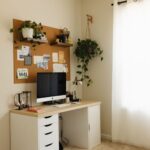




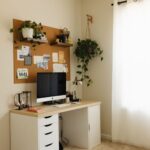
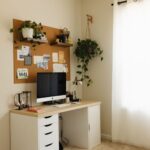



Creating a home office that balances comfort and functionality is essential for maintaining productivity and enjoying your workday. Whether you’re working remotely full-time or occasionally need a dedicated spot for tasks, setting up a space that feels inviting yet efficient can make a big difference. In this post, we’ll explore tips to help you design a cozy and functional home office that suits your needs.
Why a Cozy and Functional Office Matters
A well-designed home office supports your workflow and helps reduce stress. When your space feels comfortable, you’re more likely to stay focused and motivated. At the same time, functionality ensures you have everything you need within reach, minimizing distractions and interruptions.
Choosing the Right Location
Find a Quiet Spot
Look for a quiet area in your home where you can minimize noise. If possible, pick a room with a door to separate your work space from living areas. This helps maintain work-life boundaries.
Consider Natural Light
Plenty of natural light boosts mood and alertness. Place your desk near a window to take advantage of daylight. If natural light is limited, invest in good quality task lighting to brighten your workspace without straining your eyes.
Selecting Comfortable and Supportive Furniture
Invest in an Ergonomic Chair
Comfort begins with a chair that supports good posture. An ergonomic chair with adjustable height, lumbar support, and cushioning helps reduce back and neck strain during long hours of sitting.
Choose a Suitable Desk
Select a desk that fits your space and your work style. If you need a lot of surface area, opt for a larger desk or one with shelves for storage. For smaller spaces, consider wall-mounted or foldable desks to save room.
Organizing for Efficiency
Keep Essentials Within Reach
Arrange your most-used supplies so they’re easy to grab. Use desk organizers, trays, or drawer dividers to keep pens, notebooks, and gadgets tidy.
Minimize Clutter
A clutter-free space fosters focus. Regularly declutter your desk and storage areas to avoid distraction. Use cable management solutions to organize cords and keep your desk neat.
Use Vertical Space
Maximize your office area by using shelves, wall-mounted organizers, or pegboards. This helps keep surfaces clear while storing books, files, and decorative items.
Personalizing Your Space
Add Cozy Textiles
Incorporating soft textiles like a throw blanket, cushions, or a small rug can make your office feel warmer and inviting.
Bring in Greenery
Plants not only improve air quality but also add life to your workspace. Choose low-maintenance indoor plants that suit your environment and care routine.
Display Inspiring Decor
Include artwork, photos, or motivational quotes that reflect your personality. These touches can boost your mood and creativity.
Managing Lighting and Ambiance
Balance Natural and Artificial Lighting
Avoid glare on your screen by positioning your desk perpendicular to windows if possible. Use adjustable lamps to provide focused lighting for tasks, and consider ambient lighting to create a soothing atmosphere when working late.
Control Noise Levels
If noise is a challenge, try using noise-canceling headphones or a white noise machine to improve concentration. Soft background music can also enhance productivity for some people.
Incorporating Technology Thoughtfully
Choose Reliable Equipment
Invest in a good computer, printer, and other devices that support your work efficiently. Keep your tech setup streamlined to avoid unnecessary complexity.
Organize Tech Accessories
Use charging stations and holders to manage your devices. Wireless accessories can reduce cable clutter.
Encouraging Regular Movement
Create Space for Breaks
If possible, include a small area where you can stretch or take quick breaks away from your desk. A standing desk converter or an adjustable desk can also encourage alternating between sitting and standing.
Final Thoughts
Designing a home office that is both cozy and functional can greatly enhance your work-from-home experience. Focus on comfort, organization, and personal touches to create a welcoming environment where you can do your best work every day. Remember, small changes can have a big impact, so start with what fits your space and needs, and adjust as you go.