
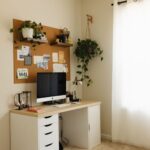




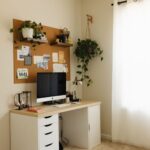
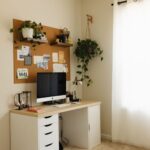


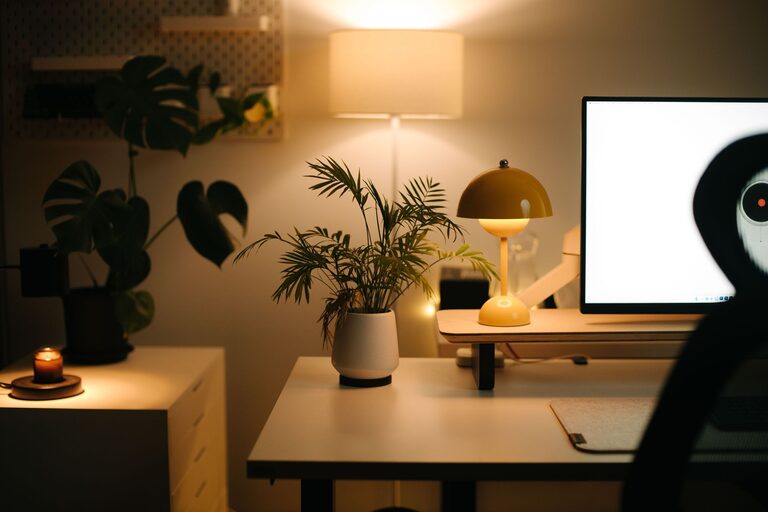
Creating a home office that feels inviting and motivates you to work productively can make a significant difference in your daily routine. Whether you work remotely full-time or occasionally need a quiet space for focused tasks, designing a cozy and efficient workspace at home is achievable with some thoughtful planning. In this post, we’ll explore practical tips to help you create a home office that balances comfort and productivity.
Choose the Right Location
The first step in creating a cozy and productive home office is selecting the right spot in your home.
Consider Natural Light
Natural light boosts mood and energy, which can improve focus and reduce eye strain. Ideally, position your desk near a window to take advantage of daylight. If natural light is limited, opt for full-spectrum bulbs that mimic daylight to brighten your space.
Minimize Distractions
Choose a quiet area away from high-traffic zones, televisions, or noisy appliances. If a separate room isn’t available, find a corner or nook where you can set up a dedicated workspace with minimal interruptions.
Invest in Comfortable and Functional Furniture
Comfort is key when spending long hours at your desk.
Ergonomic Chair
A supportive chair with adjustable height, lumbar support, and comfortable cushioning can prevent back pain and fatigue. Investing in ergonomics helps maintain good posture and keeps you comfortable throughout the day.
Appropriate Desk
Select a desk that fits the size of your space and accommodates your work essentials. Options include standing desks, adjustable desks, or traditional desks with sufficient surface area to keep your laptop, monitor, and supplies organized.
Organize Your Workspace
A tidy and organized workspace minimizes stress and helps you focus better.
Declutter Regularly
Take a few minutes each day or week to clear unnecessary items from your desk. Keep only the essentials within reach to avoid feeling overwhelmed.
Storage Solutions
Use shelves, drawers, or storage bins to keep papers, office supplies, and equipment neatly arranged. Labeling storage areas can also help maintain order and quickly find what you need.
Personalize Your Space
Adding touches that reflect your style can make your office feel more inviting.
Decor and Accessories
Choose calming colors or patterns for your walls and furniture. Incorporate plants, artwork, or framed photos to create a warm atmosphere.
Comfort Items
A cozy throw blanket, a soft rug, or a few cushions can make your space feel homier and encourage longer periods of comfortable work.
Manage Lighting Effectively
Proper lighting reduces eye strain and helps set a productive mood.
Layered Lighting
Combine ambient light (overhead lamps), task light (desk lamps), and accent lighting (decorative lamps) to create a balanced environment.
Adjustable Lighting
Consider adjustable lamps or dimmers that let you control light intensity depending on the time of day and tasks you’re performing.
Establish a Routine and Boundaries
Your space should support not just physical comfort but also mental focus.
Set Work Hours
Define specific start and end times for your workday to help separate work from personal life.
Use Visual Cues
Closing a door or using a room divider can signal to household members when you’re working. Visual cues also help your brain switch into “work mode.”
Incorporate Technology Wisely
Technology should enhance—not distract from—your productivity.
Reliable Internet and Equipment
Ensure your internet connection, computer, printer, and other essential devices function smoothly.
Cable Management
Use cable organizers or clips to keep cords tidy and prevent tangles that clutter your space.
Take Breaks and Move Around
A cozy home office encourages healthy habits.
Stretch and Move
Set reminders to stand, stretch, or take short walks during your workday to reduce tension and improve circulation.
Create a Relaxation Spot
If possible, dedicate a small area near your workspace for brief breaks or mindful moments, such as a comfy chair or meditation cushion.
—
By focusing on comfort, organization, lighting, and boundaries, you can design a home office space that supports your productivity while keeping things cozy. Remember that the best workspace suits your individual needs and preferences, so feel free to experiment with these tips until you find what works best for you. Happy working!