






Creating a cozy and productive home office space is essential for making remote work or study both enjoyable and efficient. Whether you have a dedicated room or just a corner of your living area, thoughtful design and organization can transform your workspace into a place where focus and comfort go hand in hand. This guide will explore practical tips and ideas to help you create a home office that supports your best work.
Choose the Right Location
Finding the ideal spot for your home office is the first step to creating a productive environment.
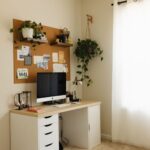
– Natural Light: Position your desk near a window if possible. Natural light helps reduce eye strain and improves mood.
– Quiet Area: Select a space away from heavy foot traffic and distractions to maintain concentration.
– Space for Movement: Ensure the area allows for comfortable seating and some space to move around or stretch.
Invest in Comfortable and Functional Furniture
Your furniture plays a big role in productivity and comfort.
– Ergonomic Chair: Choose a chair with good lumbar support to prevent back pain during long working hours.
– Appropriate Desk Height: Your desk should allow your arms to rest at a 90-degree angle while typing to reduce strain.
– Adjustable Furniture: Consider adjustable desks or sit-stand desks to vary your posture throughout the day.
Organize for Efficiency
Clutter can hamper productivity. Keeping your workspace tidy promotes focus.
– Storage Solutions: Use shelves, filing cabinets, or baskets to keep supplies organized and within reach.
– Cable Management: Use clips or cable organizers to prevent cords from tangling or cluttering your desk.
– Daily Essentials: Keep only frequently used items on your desk to minimize distractions.
Personalize Your Space
Adding personal touches can make your home office feel inviting and motivating.
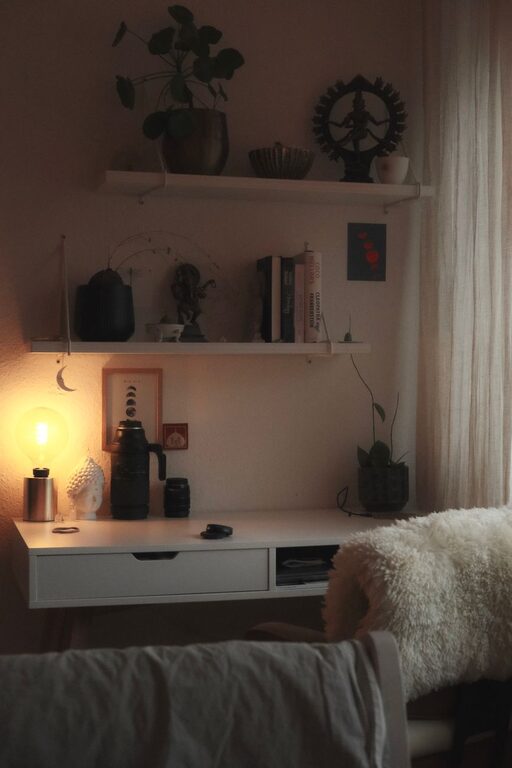
– Decor: Add artwork, plants, or photos that inspire you but avoid overwhelming the space.
– Color Scheme: Choose colors that promote calmness and focus, such as soft blues or greens.
– Comfort Items: A cozy throw blanket or a favorite mug can add warmth to your workspace.
Optimize Lighting
Proper lighting reduces eye strain and keeps you alert.
– Task Lighting: Use a desk lamp with adjustable brightness for reading and close work.
– Avoid Glare: Position screens to minimize glare from windows or overhead lights.
– Ambient Lighting: Soft, indirect lighting creates a welcoming atmosphere.
Use Technology Wisely
Incorporate technology that supports your work without distraction.
– Reliable Internet: Ensure your connection is stable for video calls and online tasks.
– Noise-Canceling Headphones: These can help you focus by blocking out background noise.
– Wall Calendar or Planner Apps: Keep track of deadlines and appointments efficiently.
Create a Routine and Boundaries
A structured routine helps maintain productivity and work-life balance.
– Set Work Hours: Define clear start and end times to avoid overworking.
– Breaks and Movement: Schedule short breaks to stretch and refresh your mind.
– Separate Workspace: Avoid working from your bed or couch to mentally distinguish work from relaxation.
Incorporate Plants and Fresh Air
Adding greenery and fresh air enhances well-being.
– Indoor Plants: Plants improve air quality and add a touch of nature, which can reduce stress.
– Ventilation: Open windows regularly to let in fresh air and maintain a comfortable temperature.
Keep It Clean and Maintain
Regular cleaning keeps your workspace inviting.
– Daily Tidying: Spend a few minutes each day clearing your desk.
– Deep Cleaning: Once a week, dust and sanitize your area to maintain hygiene.
—
By following these tips, you can build a home office space that feels cozy, supports your work habits, and keeps you motivated throughout the day. Remember, the best workspace reflects your personal needs and preferences while promoting a healthy and productive environment.