
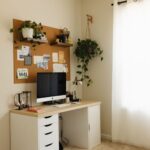
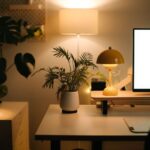



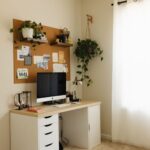
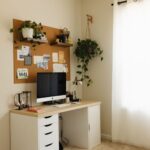

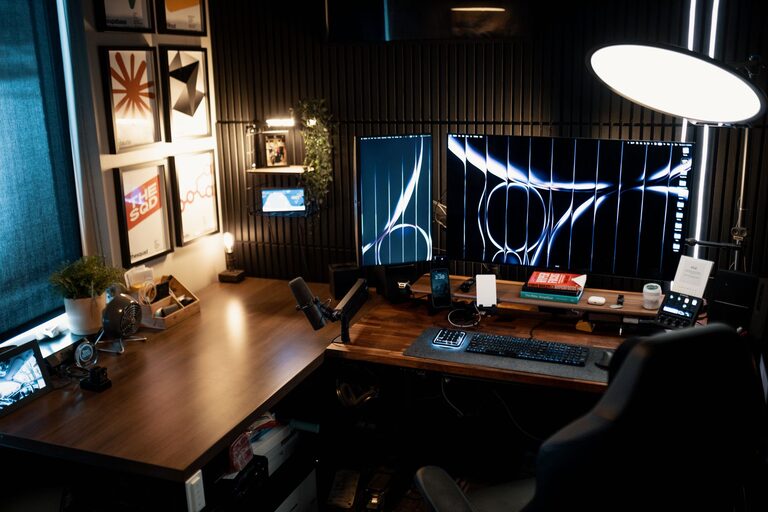
Creating a cozy and productive home office is essential for anyone working remotely or managing tasks from home. A well-designed workspace can help you stay focused, reduce stress, and improve your overall work quality. Whether you have a dedicated room or just a small corner, these tips will guide you to design a home office that feels comfortable and promotes productivity.
Choose the Right Location
Consider Natural Light
Natural light positively impacts mood and energy levels. When possible, set up your office near a window to take advantage of sunlight. Avoid glare on your computer screen by positioning your desk perpendicular to the window.
Minimize Distractions
Pick a quiet spot in your home where you’re less likely to be interrupted by family members, pets, or household noise. If space is limited, consider noise-canceling headphones or white noise machines to create a focused atmosphere.
Invest in Comfortable Furniture
Select an Ergonomic Chair
An ergonomic chair supports your posture and keeps you comfortable during long work sessions. Look for adjustable height, lumbar support, and cushioned seating to reduce strain.
Pick a Suitable Desk
Choose a desk with enough surface area for your computer, notebooks, and any other essentials. If you prefer changing positions, a sit-stand desk is a great option to alternate between sitting and standing.
Organize Your Space Effectively
Use Storage Solutions
Clutter can hinder productivity. Use shelves, filing cabinets, or storage boxes to keep documents, supplies, and gadgets organized and out of sight when not in use.
Keep Essentials Within Reach
Arrange frequently used items like pens, notebooks, and chargers close to your work area for easy access. Desk organizers or small trays can help keep these items tidy.
Personalize Your Workspace
Add Warm and Inviting Decor
Incorporate elements like plants, artwork, or personal photos to create a welcoming environment. Plants not only enhance the look but can also improve air quality.
Choose Soothing Colors
Colors impact mood and focus. Soft neutrals, pastels, or earth tones can make your space feel calm and inviting. Avoid overly bright or harsh colors that may cause stress.
Optimize Lighting for Comfort and Focus
Combine Ambient and Task Lighting
Use a mix of ambient lighting (like ceiling lights) and task lighting (desk lamps) to reduce eye strain. Adjustable lamps with soft white bulbs can provide precise light for reading and computer work.
Control Screen Glare
Position monitors to avoid reflections from windows or lamps. Use screen filters or adjust brightness and contrast settings for comfortable viewing.
Create Healthy Habits in Your Home Office
Take Regular Breaks
Stand, stretch, or take short walks to prevent stiffness and boost circulation. Use timers or apps to remind yourself to step away from your desk.
Keep Hydrated and Nourished
Keep a water bottle nearby and have healthy snacks available. Good hydration and nutrition support concentration and energy levels.
Incorporate Technology Wisely
Use Reliable Equipment
Invest in quality hardware such as a fast computer, a comfortable keyboard, and a good mouse. Reliable internet connectivity is also essential for video calls and online work.
Minimize Digital Clutter
Organize your files, use productivity apps, and maintain a clean desktop screen to work efficiently. Decluttering digital spaces helps reduce distractions.
Maintain Work-Life Balance
Define Office Hours
Set clear working hours and communicate them to others in your household. This helps separate work time from personal or family time.
End Your Day with a Routine
Establish a ritual to signal the end of your workday, such as shutting down your computer, tidying your desk, or going for a walk. This helps you mentally switch from work mode to personal time.
—
Designing a home office that is both cozy and productive takes some planning and personalization, but the benefits are worth it. A well-thought-out workspace can inspire creativity, focus, and overall well-being, making your time at home more enjoyable and efficient. Start small and adjust your office as you go to find the perfect balance that suits your work style and home environment.